Tag: climbs

The Thunderpit

  • The Thunderpit
  • Length: 0.39 miles
  • Avg gradient: 12.5%
  • Peak gradient: 19.5%
  • Difficulty: 3/5
  • Likelihood of encountering unpleasant motor-vehicles: 1/5
  • Elevation gain: 258ft
  • Strava

A quiet lane with a surprise at the top.

Full disclosure: the road is actually called Farnsley Lane but at the top you reach the far more dramatic sounding Thunderpit Lane. Also, credit to The Digital Cyclist, whose website led me to this hill.

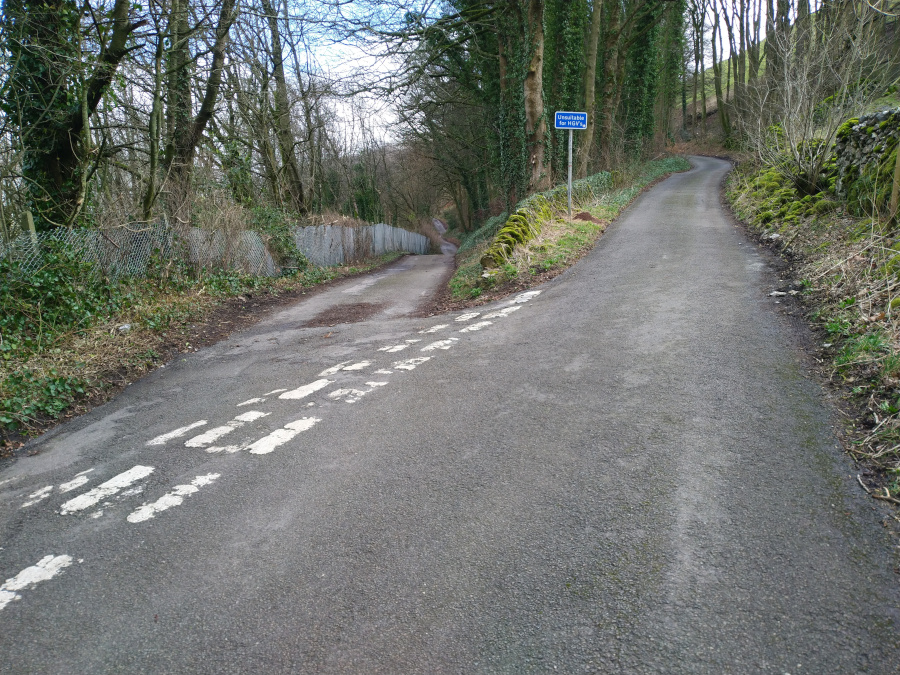
Keep you eyes peeled for the entrance to Farnsley Lane as it’s a blink and you’ll miss it turning but it will feel like a blessing after cycling along the horrible A623. No rest for the wicked though as you’re immediately into double figures, that steadily grow, as the road bends to right and you’re faced with a steady, slightly-wiggly, straight (is that an oxymoron?) up the hill.

The bend is the steepest section of the road, adding to the challenge of the slightly poor surface that is probably also covered in debris. The consolation you can take from the amount of detritus on the road is that it does suggest that motor vehicles are a rare sight up here.

There is not much to see as you’re enclosed by trees on either side but you should feel the gradient drop off slightly as you progress upwards, dropping to single figures as the road gently bends left.

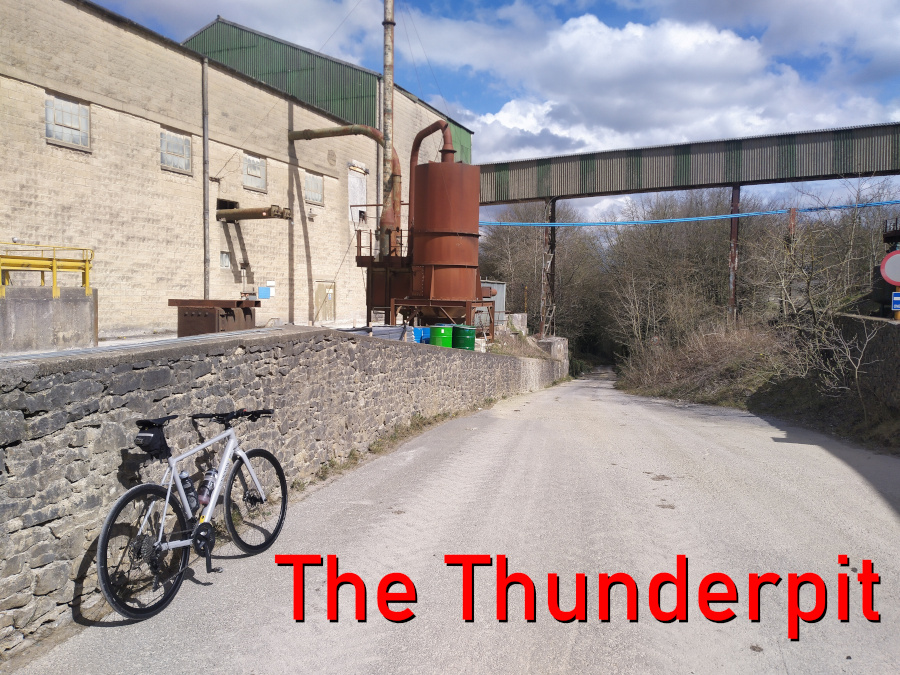
The final 150m of the hill holds a steady 7.5% and, once you crest the hill, you’ll find yourself in the unexpected surroundings of the British Flurospar industrial mine. Don’t worry, it’s a public road so, despite feeling like a trespasser, you’re not breaking any rules cycling through here.

Please note, I’ve only ever been here on a Sunday when it was dead quiet. I suppose there is a real possibility that it might be quite busy with industrial machinery and lorries on a weekday.

Enjoy this? ❤ Support the site!

Bubnell Lane

  • Bubnell Lane
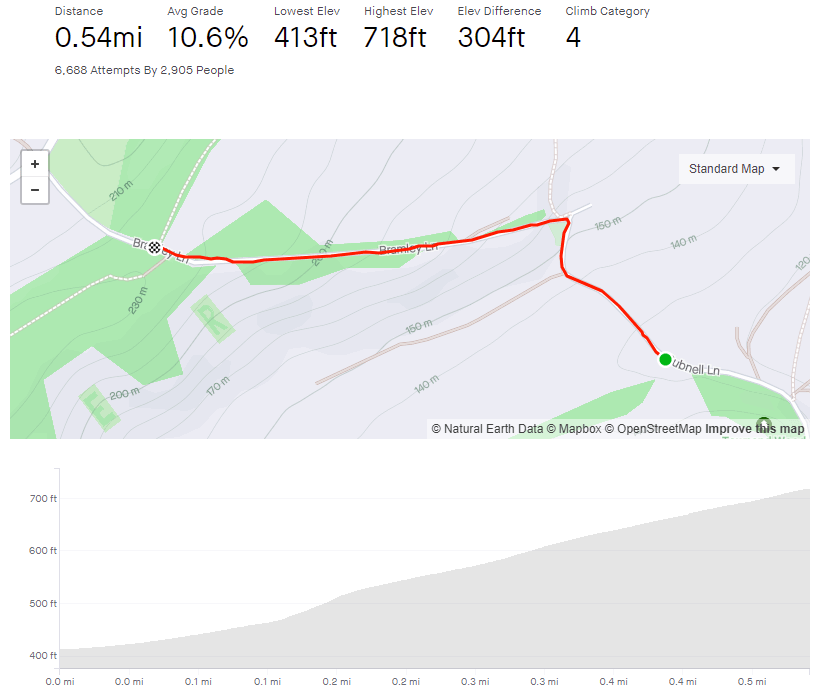
  • Length: 0.54 miles
  • Avg gradient: 10.6%
  • Peak gradient: 17.7%
  • Difficulty: 3/5
  • Likelihood of encountering unpleasant motor-vehicles: 1/5
  • Elevation gain: 272ft
  • Strava

Quiet and picturesque.

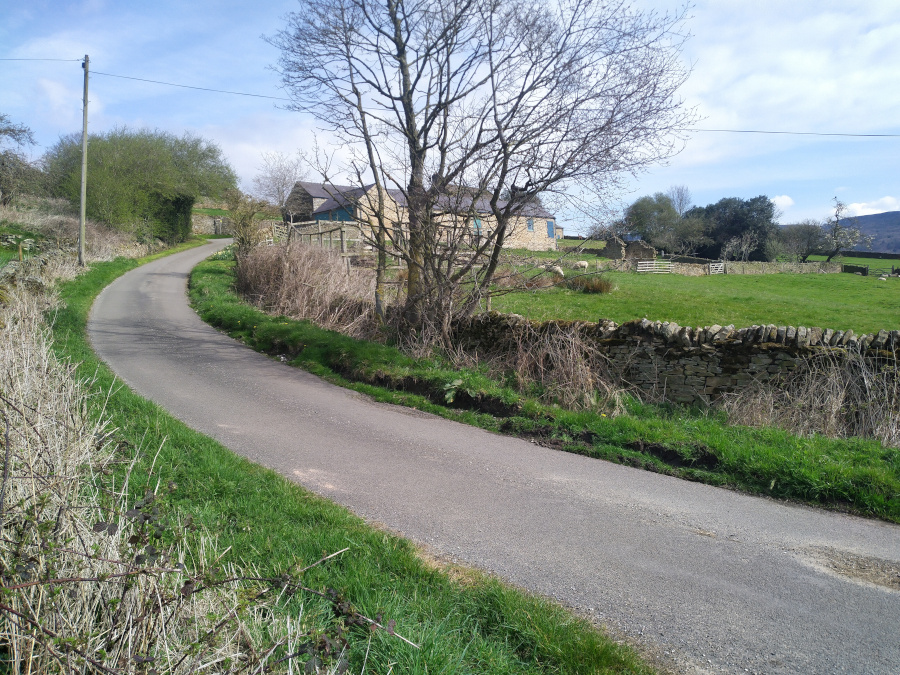
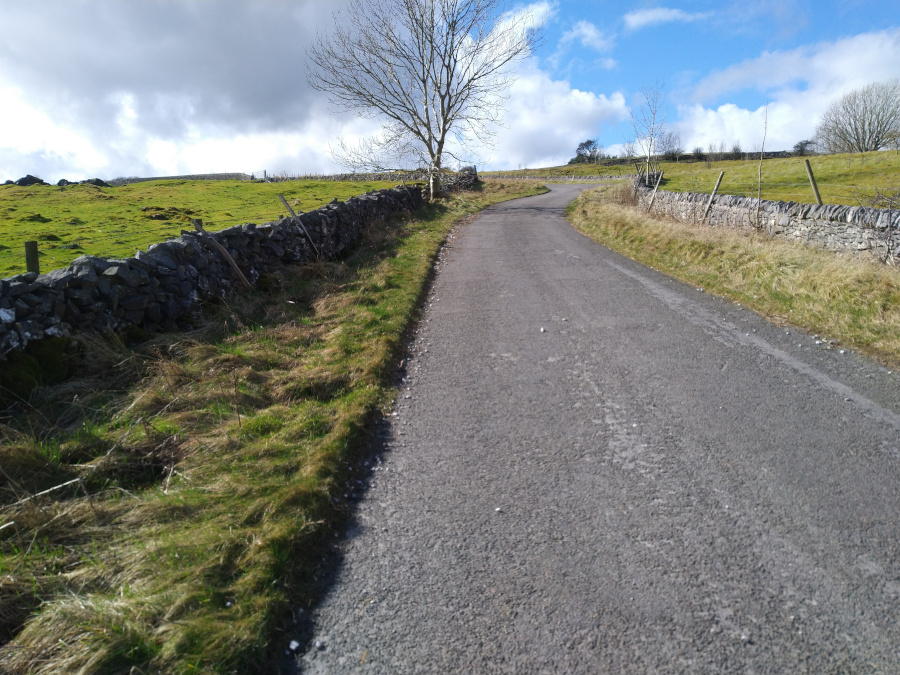
Turning off the main road though Baslow, you join Bubnell Lane after crossing the river, and before you reach the beginning of this picturesque climb, you’re gifted a pleasant totter alongside the Derwent. Not long after the river meanders away from the road, you’ll reach the start of the climb, marked by a gate on your left and, up the hill, a farmhouse and stables.

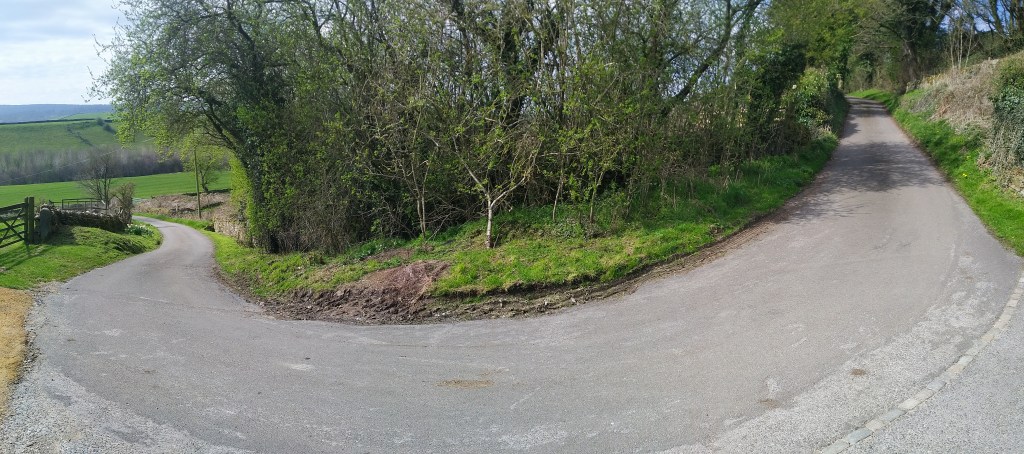
Within the first 0.1 mile, you’re hitting around 8% but you will feel the extra 2% as you ride around the bend in the road. You’ll shortly reach the stables and the switchback: at 17.7%, the steepest section of the climb. It’s a quiet road, so fairly safe to go wide and take a shallower line.

From here, it’s a steady, straight plod to the top, graced by trees on your right and a lovely Derbyshire vista on your left. The gradient fluctuates around 10%, so it’s never too challenging, it just seems long because the top is hidden just around that corner you can see in the distance.

Once you make it round the corner, the top is marked by a footpath post, followed by a speedy descent to Hassop Road and down to Calver.

Pea Royd Lane

  • Pea Royd Lane
  • Length: 0.72 miles
  • Avg gradient: 12.5%
  • Peak gradient: 17.1%
  • Difficulty: 4/5
  • Likelihood of encountering unpleasant motor-vehicles: 1/5
  • Elevation gain: 476ft
  • Strava

Is it really only 0.72 miles?

Pea Royd Lane is a fairly well known road, having been used for many hill climb races including the National Championships, so I’m sure there are far more authoritative and informative descriptions of this notorious cycle elsewhere on the internet but, since you’re here, make yourself comfortable.

This climb begins before you even get to the start of Pea Royd Lane, requiring you to cycle for 0.2 miles up Hunshelf Road, at a not insignificant 7.7% average. Once you’re past the factories and the view begins to open out over Stocksbridge, you’ll see Croft House on your left and a switchback on your right: the beginning of Pea Royd Lane proper.

In Simon Warren’s 100 Greatest Cycling Climbs he says ‘the surface is terrible and gets worse’ but I think the road must have been resurfaced since then as it’s not too bad now, not that that makes the road any less steep. This section, up to the bridge, involves some of the steepest climbing, with the incline hovering around the upper teens, briefly breaking 20%.

You’re given a short relent crossing the bridge but the hill is soon back to 15-16% on the approach to the next switchback. Take the bend as wide as you can (it is a quiet road but it’s not devoid of all traffic) and grab a look over your shoulder to appreciate how high you have come out of Stocksbridge. You’re now climbing at around 13-14% for 100 metres or so but this is the part I always find hardest as the end is still hiding from view.

The road shallows slightly as you pass a farm before picking right back up as you finally approach the apex, signified by black rocks jutting out of the hillside and which is hiding just around the corner.

Surely it was longer than 0.72 miles, right?

Pindale

  • Pindale
  • Length: 2.45 miles
  • Avg gradient: 5.9% (although it’s 10.5% if you start at the switchback)
  • Peak gradient: 17.5%
  • Difficulty: 4/5
  • Likelihood of encountering unpleasant motor-vehicles: 1/5
  • Elevation gain: 772ft
  • Strava

Hard as cement.

As you travel around the Hope Valley you can’t escape the extraordinarily ugly cement works that sit, like a festering scar, bang in the middle of the valley. How they ever got beyond planning permission, is a mystery. However, there is a lively, little known climb that snakes around the works’ back that makes it worth venturing over there.

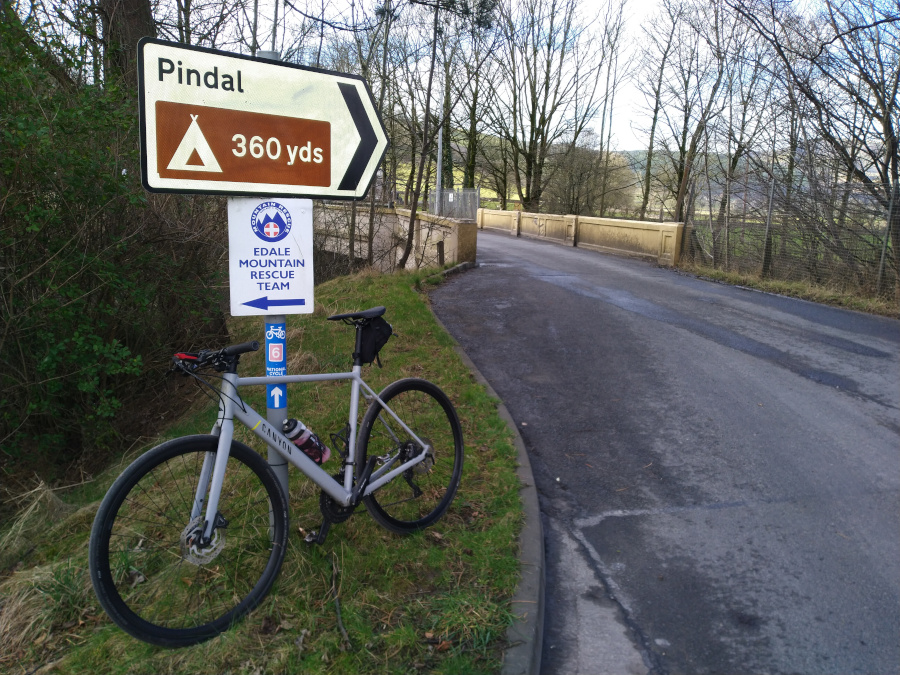
Most of the segments around here commence in Castleton but it seems more appropriate somehow to start at the entrance to the cement works themselves. It’s a very gentle start as you leave the industrial monstrosity behind, along a singletrack road with a beautiful view of the Hope Valley and past a campsite. The gradient is creeping up from 5% to about 10% as you take the first sweeping bend to the right and the road surface starts to worsen.

Around the corner and you’re into low-medium double figures as the climb begins and the valley opens up below you. After about 300 metres of climb, however, the road drops away into a speedy descent but take care as the surface is awful and also probably covered in detritus.

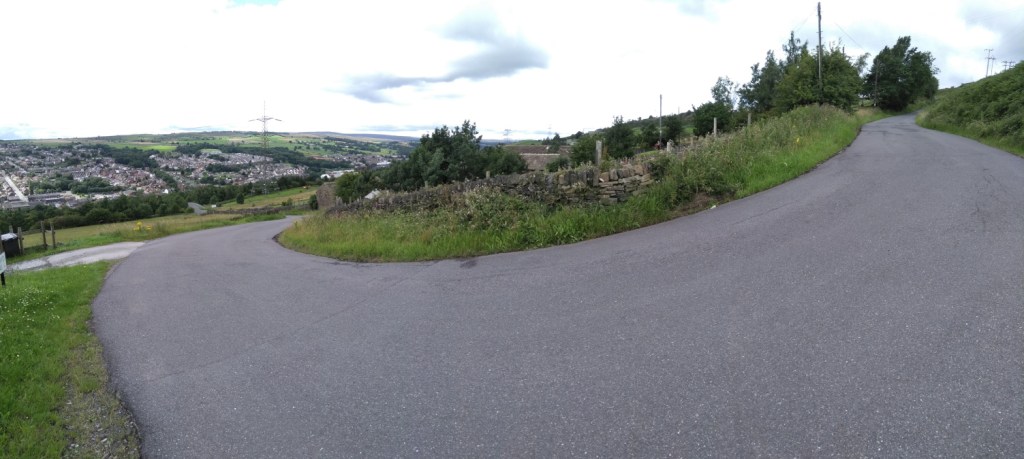
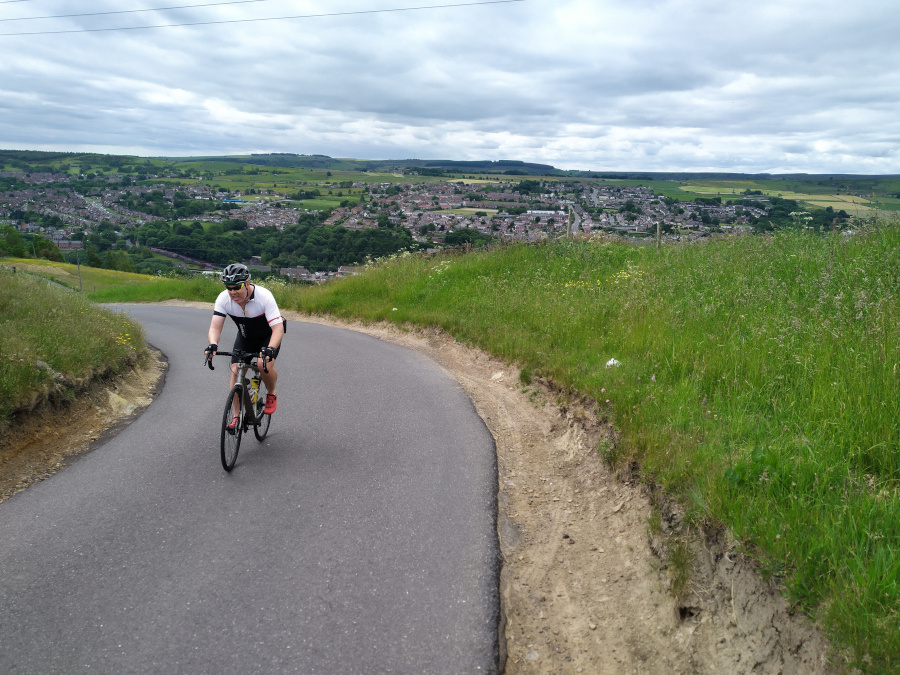
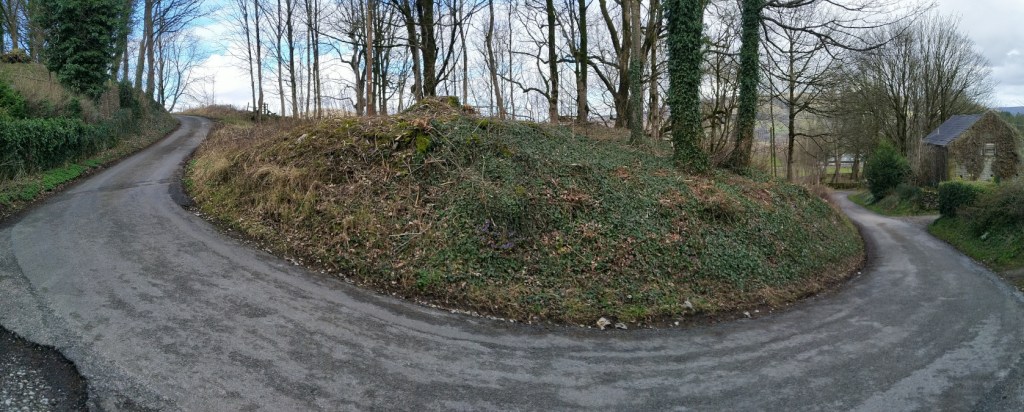
When you reach the junction, take the sharp left up the hill, through the tree-tunnel, where the climb really begins. It’s pretty much straight into a 20% incline for about 300 metres before a short level-off as the road bends left. Recharge and prepare for the jewel in this climb: the sweeping bend as the trees drop away and the expansive vista of the Hope Valley opens below you, right in the middle of which is the pig-ugly, brutalist cement works. I’ve got different readings but I think the incline around the corner is about 15% but totally worth it. As you switchback, take a moment to enjoy the sight of Mam Tor and Loose Hill in the distance, but don’t forget that you’re far from done with the climb.

As the gradient drops to a more manageable 5% it may look like you’re approaching the top, but it’s just the first of a couple of false summits before the end. There’s a slight increase in steepness as you wiggle up the road, but nothing that feels insurmountable and it is now more of a psychological battle, as, having tackled the hardest section, the pesky hill just keeps going at 8%, with no end in sight.

It continues in this vain for about 3/4 of a mile, across exposed exposed moorland, skirting the top of the cement works quarry, before, finally, finally, you reach the top, marked by a drystone wall line and what was presumably, once a gate.

Upper Valley Footpath

  • Upper Valley Footpath
  • Length: 185 feet (yes, it’s short)
  • Avg gradient: 21%
  • Peak gradient: 31%
  • Difficulty: 2/5
  • Likelihood of encountering unpleasant motor-vehicles: 0/5
  • Elevation gain: 40ft
  • Strava It won’t let me make one as it’s too short.

Want some ‘30% climb’ bragging rights?

While on the topic of gennels that you probably shouldn’t cycle up, I present to you the highly specific footpath between Upper Valley Road and Argyle Street, Meersbrook.

Facing the far more difficult Kent Road, this is its own unique challenge, with both a higher average and peak gradient than its neighbour. At only 184 feet long, it’s not time consuming, just make sure you do it when there isn’t someone coming down the path.

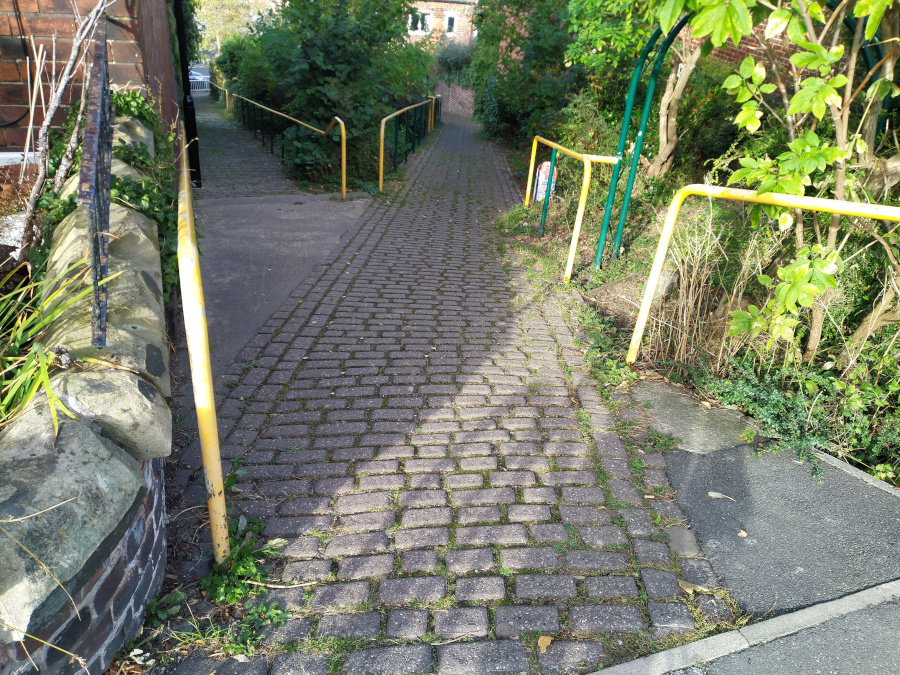
At the start you will see two paths, make sure that you take the one on the left, as I think the right-hand one has a few steps. It’s cobbled, so you can pretend you’re in Belgium as you begin the 10% opening. As the path bends slightly, the gradient is up to 20% and continues increasing as you climb. Keep the momentum, as you pass some little mosaic bollards and you briefly touch a 30% incline. Then, like that, you’re at the top.

You can now tell all your mates that you cycled up a 30% gradient, just don’t tell them how long it was.

Ranmoor Gennel

  • Ranmoor Gennel
  • Length: 0.1 miles
  • Avg gradient: 14%
  • Peak gradient: Somewhere between 33-47%!
  • Difficulty: 6/5
  • Likelihood of encountering unpleasant motor-vehicles: 0/5
  • Elevation gain: 83ft
  • Strava It won’t let me make one as it’s too short.

Possibly impossible?

Disclosure: I have never managed to climb this short hill to the end but I’m sure someone, somewhere can.

It’s probably a bit legally grey to cycle up here as, although it’s not actually signposted as a footpath, no reasonable cyclist would take their bike up here and I congratulate you if you even make it to the lamppost.

First of all, unless you can bunny hop three large steps into a metre-wide gennel, you’re starting from a standing stop on what RideWighGPS tells me is a 9% incline. Add to that, the surface is uneven cobbles and probably covered in leaves. It’s not an easy start. I found it hard enough to even begin but there is a handrail to help if you’re wobbling a bit too much. The path does a get a bit wider further up but your objective here is to get any momentum without hitting the sides.

If you manage to get going, well done, now just try not to ride into any stinging nettles, scrape a leg on the wall or skid on leaves, all while fighting with the very uneven surface that is slowly increasing, breaking double figures about 30 yards in. Travel about the same distance again you’ll see the lamppost where the path bends to the right, coinciding with the gradient reaching around 20%.

If that was the end, it would be an interesting little challenge (not to mention the potential hazard of someone walking down the path) but the final run to the end of the gennel is ridiculous. GPS recordings are wonky here because of all the tree cover but my GPS recordings puts it somewhere between 35-47%. 47% seems like an exaggeration but I wouldn’t be surprised if it is at least 40%. That’s approaching 1:1.

If you make it out of here, you are a cycle climb master.

Birks Wood Drive

  • Birks Wood Drive
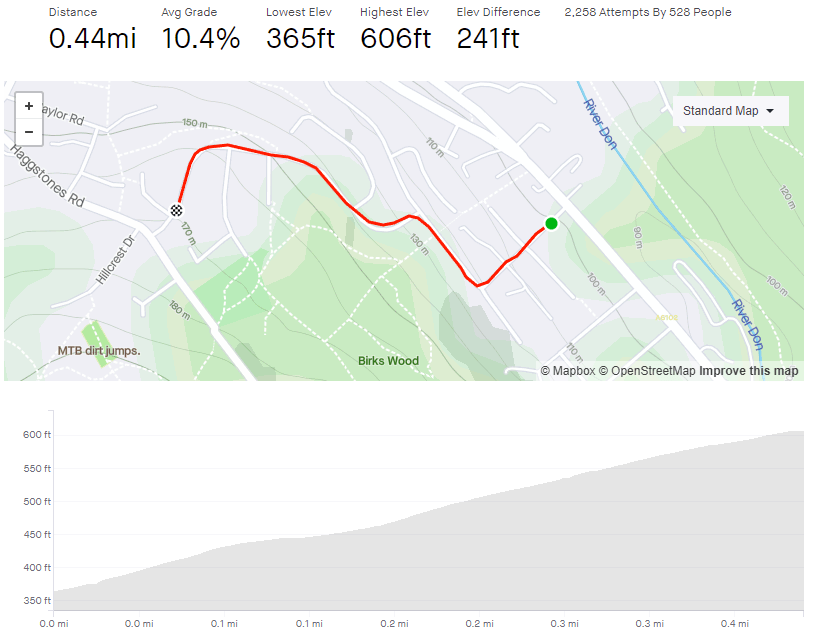
  • Length: 0.44 miles
  • Avg gradient: 10.4%
  • Peak gradient: 16.9%
  • Difficulty: 2/5
  • Likelihood of encountering unpleasant motor-vehicles: 2/5
  • Elevation gain: 241ft
  • Strava

A sneaky suburban climb.

In an area rich with challenging climbs (Jawbone Hill, Wheel Lane and Burnt Hill Lane, for example) this is slightly lower profile. Nestled on a quiet suburban street, it packs enough of a punch to warrant its inclusion in previous Magnificent 7 hill climb competitions.

Turning off the unpleasant Langsett Road onto Birch House Avenue, you’re immediately into a double-figure gradient for a dead straight 0.1 miles. This first quarter of the ride is fairly representative of the hill’s feel as a whole, so just plod on.

There’s a little relent as the road bends right and the gradient briefly drops to around 6% before picking right up again as you turn left on to Birks Wood Drive itself. You’re now on the steepest section of the climb, on the sweeping right hand bend, hitting a peak of almost 17%.

A short distance on, the houses drop away, revealing a pleasant view of Oughtibridge and the valley below. Appreciate it quickly before a line of trees hides it once more and you approach the final bend. The Strava segment says it’s only 10% but it looks steeper, not least as you’ll be taking the inside lane. Once you’re around the bend, though, it’s only a few more metres until the apex, and the option of dropping back into Oughtibridge to tackle a few of the other great climbs in the area.

New Road

  • New Road
  • Length: 1.57 miles
  • Avg gradient: 5.1%   Peak gradient: 10.5%
  • Difficulty: 3/5
  • Likelihood of encountering unpleasant motor-vehicles: 2/5
  • Elevation gain: 419ft
  • Strava

A beautiful Derbyshire climb.

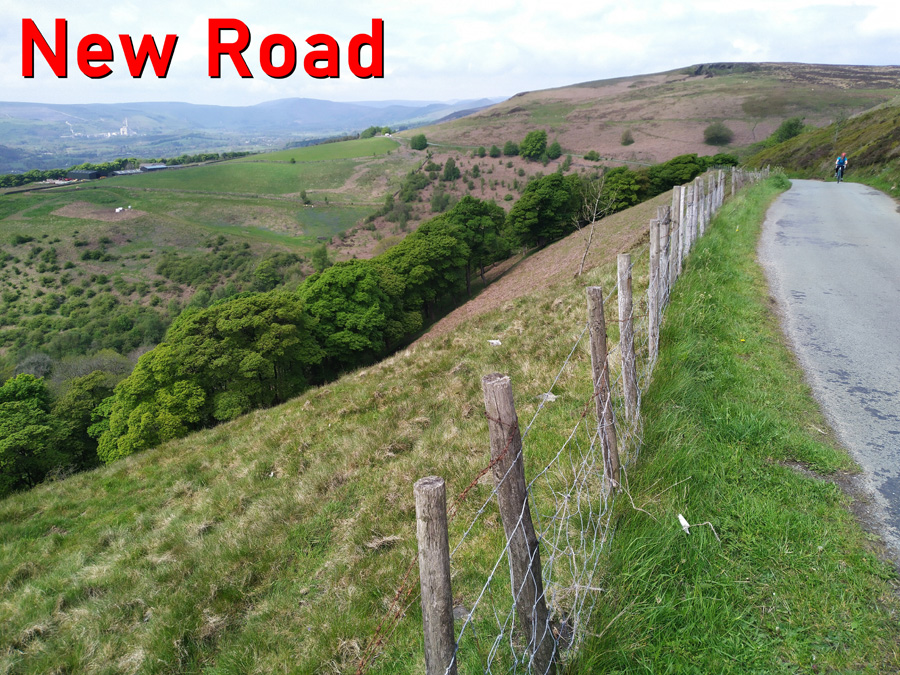
If you’ve been out in the Hope Valley, but don’t fancy tackling Fiddler’s Elbow, Surprise View or The Dale on your return to Sheffield, the best option to get up over that big hill between you and the city is probably New Road, near Bamford.

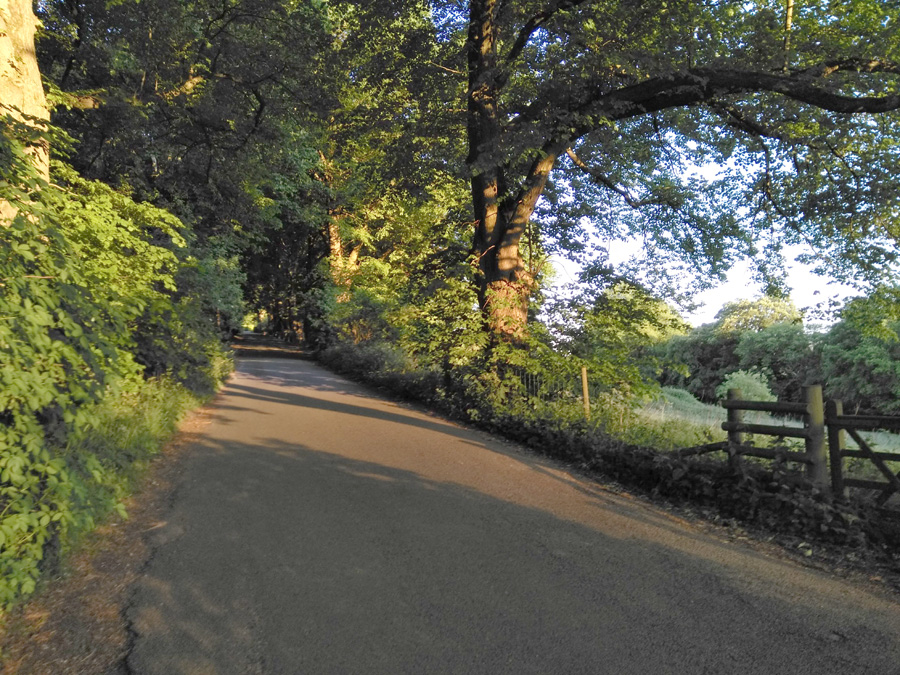
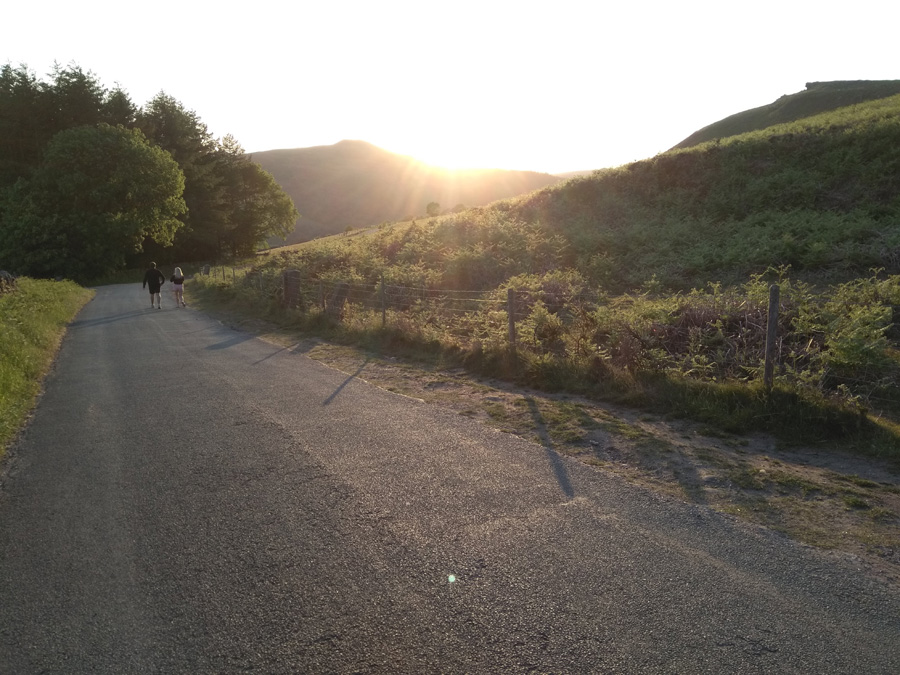
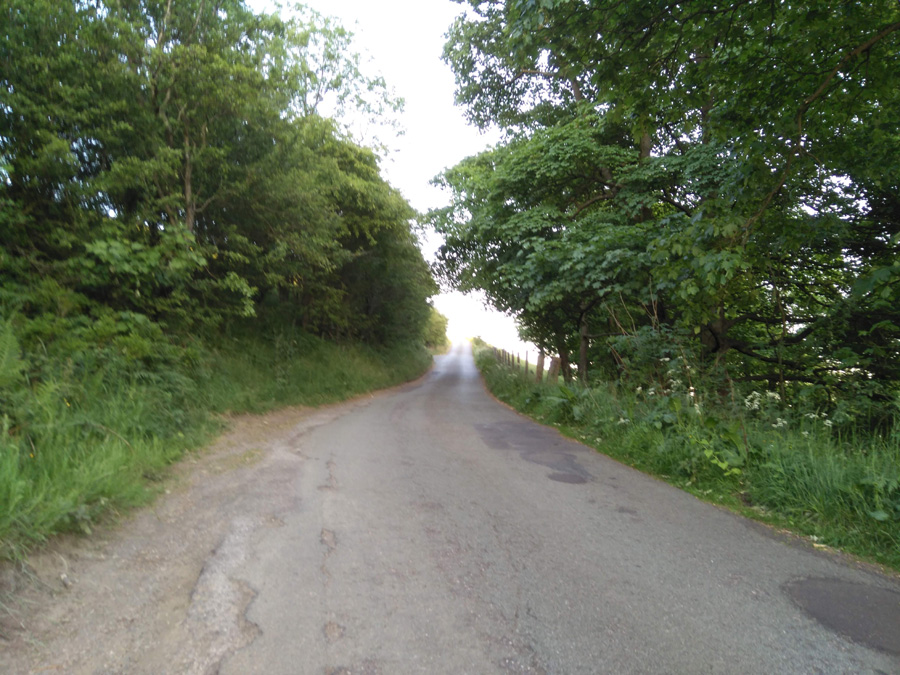
Just south of Ladybower Reservoir you’ll find this rather picturesque climb that is never too hard but also never easy. As you turn off Ashopton Road, you’re straight into a 9% climb, so it’s heads down from the off. The gradient fluctuates between 5 – 10% for the next mile or so as you ascend the tree lined road. On your left, you’re presented with the imposing sight of Bamford Moor and, on your right, the view across the valley towards Thornhill and Shatton, the vista improving steadily as you make your way up New Road.

It’s a fairly straight line, with the biggest hazard being gangs of walkers or motorists descending a bit too quickly but it’s usually a relatively quiet ascent. One of the highlights happens around the 0.7 mile mark when, suddenly, the trees on your right drop away to reveal a most spectacular panorama across the valley. In the distance you might spy Shatton Mast, sitting atop Shatton Moor, the climb up to which I’d rate as a 5/5 (but we’ll save that for a later date).

The gradient sits around 5% here, so keep enjoying the view until you meet another line of trees and the road bends round to the left at what feels like its steepest section. You’ll shortly reach a summit, where there will likely be a few cars parked by local hikers, but you’re not at the end of the climb yet. The hill drops away into a fun and welcome descent but do take care, especially on the sharp right-hand bend which descends at -9%.


Try to keep your momentum here, as the gradient returns to almost 10% (but can feel greater), and you’ll soon reach the apex, where you’re greeted with a bench to sit on and one of the most beautiful views in the area.

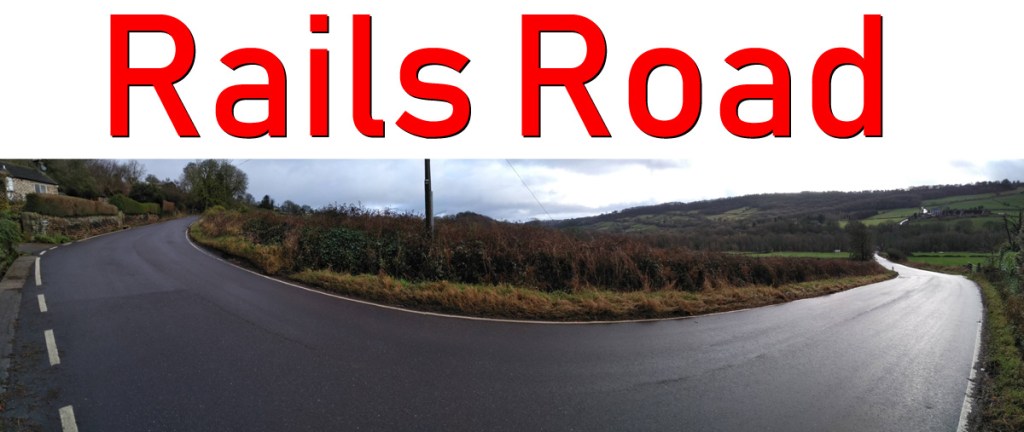
Rails Road

  • Rails Road
  • Length: 0.42 miles 
  • Avg gradient: 8.5%   Peak gradient: 14.7%
  • Difficulty: 3/5
  • Likelihood of encountering unpleasant motor-vehicles: 2/5
  • Strava

If Lodge Lane is the bad cop, the Rails Road is the good cop. It might be slightly easier on you but you’re still in trouble.

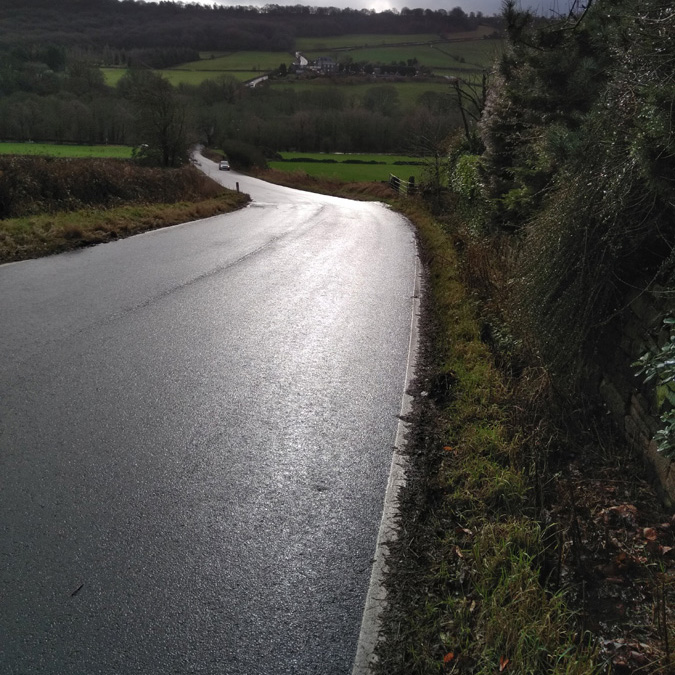
Sitting practically opposite Lodge Lane, Rails Road takes you up towards Stannington and to the cusp of some absolutely beautiful country cycling. You’re immediately on a gradient of 5-7% as you pull away from the nasty main road and in the distance you can see your main target: the sweeping right-hand bend.  There’s not many distinguishing features to pick out from the fields either side of you at this point but passing a large gate on your left is the signal for the road to ramp up into double figures.

The gradient continues to increase the closer you get to the bend, hitting a peak of 14.7% (although Strava claims 18.2%) just before you turn. You’re on the left, so it’s not quite as tricky as it could be but you’re still feeling the effort. Once you’re around the bend, you’ll run alongside a trickling culvert, which feels like it’s taunting you on a hot, sweaty day and shortly pass a footpath on your left which is where the Strava segment incorrectly shows a short, flat section. Let’s be clear: there is no short, flat section on his hill. It’s a GPS anomaly.

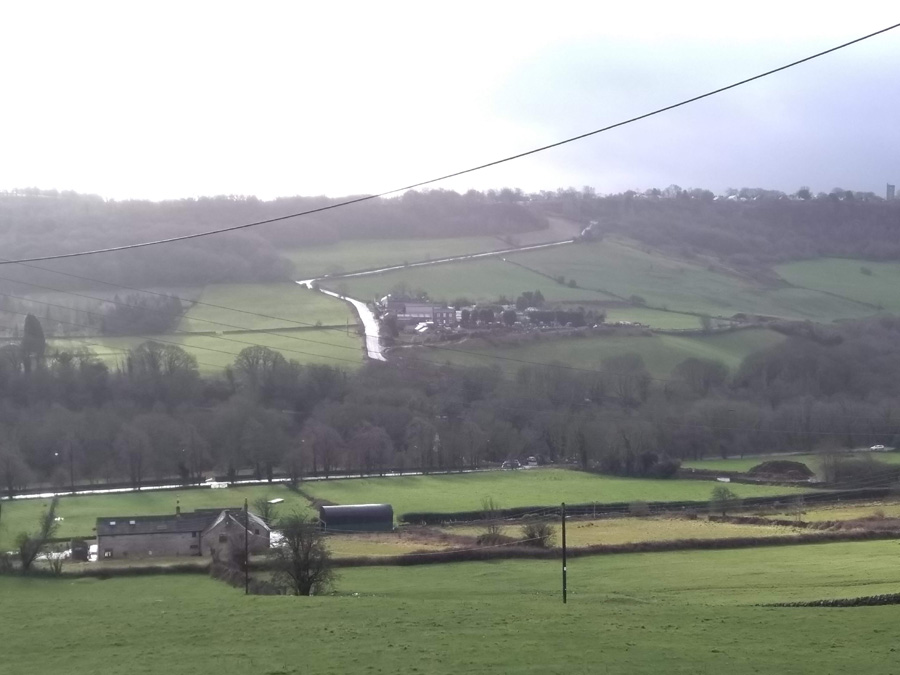
There is a slight relent in steepness as you reach Woodbank Road (and a great alternative route to the countryside) but carry straight on. The ride is getting easier with every pedal now and soon flattens out as you pass farmhouses on either side of the road and a gorgeous view across the Rivelin Valley.

Lodge Lane, seen from Rails Road

You can either continue on to Stannington (after another bonus bump) and head out into the Peaks towards Dungworth and Bradfield, or zoom back down the hill and tackle Rails Road’s evil twin: Lodge Lane.

Tom Lane

  • Tom Lane
  • Length: 0.76 miles 
  • Avg gradient: 8%   Peak gradient: 12.9%
  • Difficulty: 3/5
  • Likelihood of encountering unpleasant motor-vehicles: 1/5
  • Strava 

A nondescript, residential road in the leafier end of Sheffield, I was surprised to see that, statistically this hill is actually not that different from the far more imposing Lodge Lane.  Tom Lane is not as hard as that but it does have a couple of spikes along the way and, for the sake of this segment, a surprising little twist in its tail.  I’ve worked around here quite a bit and would regularly see a mum cycling up here with a child on the back of her bike.  Strava kudos to her for that.

Tom Lane starts innocently enough, opposite the junior school, with a gradient fluctuating around the 4-5% mark, as you climb the first couple of bends.  As you pass house number 74, however, the road straightens up, gets steeper and the hill’s first challenge is laid in front of you.  The hill is now around 12% and you feel each percentage as you pedal up to a large stone cottage at the junction of Belgrave Drive.  It is slightly less steep now but you’re still plodding upwards.

Follow the road, ignoring any junctions and continue round, first a left bend and then a right.  This little section here, for me, feels the hardest part of the road section.  There isn’t a significant increase in gradient but the approach to the right-hand bend – and the bend itself – really makes you feel like you’re dragging your bike.

You’ll soon reach a T-junction, turn right and continue upwards on what, once again, feels steeper than it is.  Take the next left (the road you turn onto remains Tom Lane) and head up this narrower section of road, often with numerous parked cars on either side.  You’ll shortly come to a brief section of 5% as you round a few more bends and pass Hillcote Close on your left. It’s here that you’re going to find that surprising twist in Tom Lane’s tail.

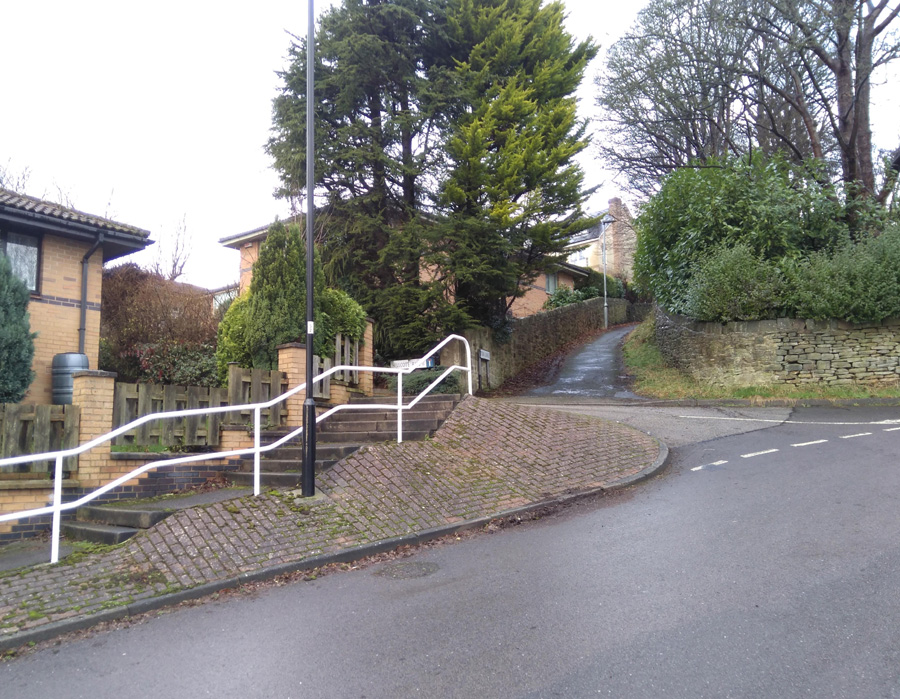
As you pass the steps with a handrail, on the left, instead of sticking to the road, wiggle round onto what looks like a footpath (there are no signs saying cycling in prohibited and it even has a Tom Lane road sign at the bottom so I’m sure it’s legal).  It’s this brief bumpy section that pulls the average up and my recording of this part puts the gradient between 17-22%. However, your fancy road bike might not like the surface.  It’s only short, though, and you’ll soon reach Redmires Road and the golf club.

Well done, you’ve just made it up a modest yet surprisingly challenging hill. Which is exactly what a Sheffield cycling climb should be.